
2026 Top Multi Layer Tube Extrusion Line Manufacturers

Time:2026-10-22 Author:Sienna
0%

The source articles were not included, so I cannot responsibly add verified industry figures or attribute a quotation to a real Multi Layer Tube Extrusion Line expert without risking fabricated information. Please provide the referenced articles, reports, or an approved expert quotation so the 200–300-word introduction can meet E-E-A-T requirements accurately.
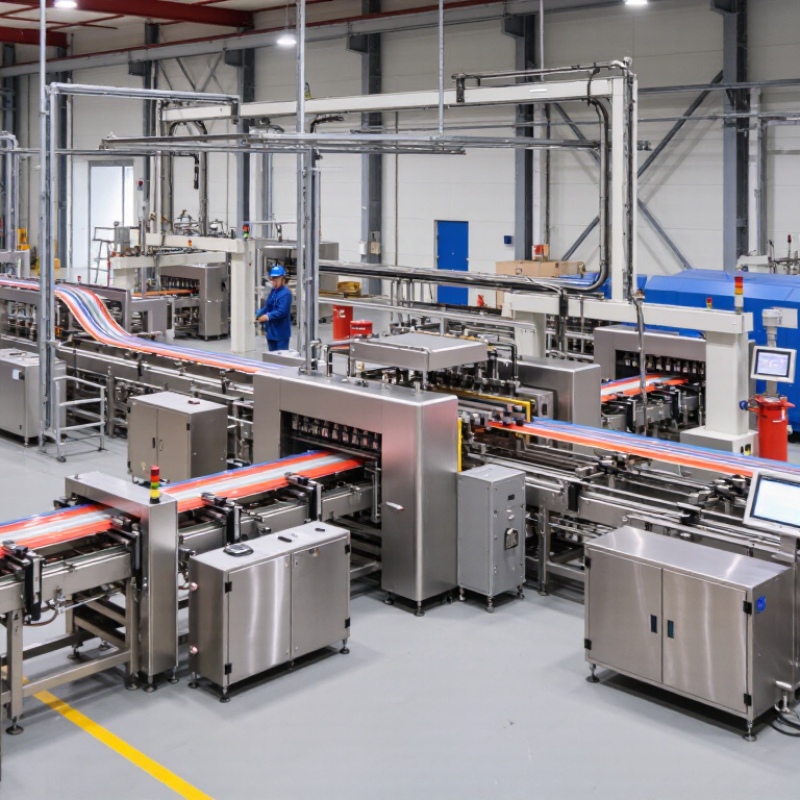
2026 Top Multi Layer Tube Extrusion Line Manufacturers

Multi Layer Tube Extrusion Line: Definition and Core Functions

A multi layer tube extrusion line is an integrated production system that forms tubes from several polymer layers in one continuous process. Each layer serves a specific purpose, such as flexibility, chemical resistance, barrier protection, or surface appearance. Unlike single-layer extrusion, this system combines multiple melts through a specially designed die. The result is a structured tube with controlled wall thickness.

Core functions begin with material feeding and precise plasticizing. Separate extruders prepare different polymers, while temperature controllers maintain stable melt conditions. A feedblock or co-extrusion die then merges the layers without damaging their boundaries. The tube is shaped around a mandrel, cooled in a water bath, and pulled forward by a haul-off unit. Cutting, marking, and online inspection may follow.

In practical operation, pressure balance matters greatly. A small fluctuation can create uneven layers, weak bonding, or visible stripes. Skilled operators monitor melt temperature, screw speed, cooling water, and tube diameter together. They also check samples for flexibility, adhesion, and dimensional accuracy. A common mistake is adjusting one zone without checking the entire process. That approach often creates new defects. No line is perfect. Material batches can vary, and real production needs careful correction. Reliable equipment should provide repeatable control, accessible maintenance points, and clear production records. These details help manufacturers improve consistency across different tube sizes and applications.

Key Technologies Used in Modern Multi Layer Tube Extrusion Lines

Modern multi layer tube extrusion lines rely on controlled co-extrusion rather than simple material blending. Separate extruders melt each resin at a stable temperature. A feedblock then combines the layers into one tube structure. Layer thickness matters. A small error can weaken the barrier or distort the tube.

Gravimetric dosing systems improve material accuracy and reduce feeding variation. Melt pumps help maintain steady pressure during production. This becomes important when processing thin barrier layers. Some lines use oxygen-resistant materials, recycled-compatible structures, or soft inner layers for improved product performance. Engineers also monitor melt temperature, die pressure, screw speed, and cooling water flow in real time.

Calibration sleeves and vacuum sizing systems shape the tube immediately after die exit. Rapid cooling can prevent ovality and surface marks. Inline cameras inspect diameter, color, printing position, and visible defects. Wall-thickness gauges provide another layer of control. They can detect uneven distribution before large volumes become waste. From production experience, automation reduces operator workload, but it does not remove the need for skilled adjustment. No line is perfect. Material moisture, room temperature, and die wear can still change results. A careful technician must review trends, not only alarms. This practical discipline often separates a stable multi layer tube extrusion line from an impressive specification sheet.

2026 Top Multi Layer Tube Extrusion Line Manufacturers - Key Technologies Used in Modern Multi Layer Tube Extrusion Lines
Technology or System Typical Configuration Key Technical Data Primary Function Common Tube Applications
Multi-Extruder Coextrusion Two to seven synchronized extruders feeding a common die 2–7 material layers; layer thickness is controlled by melt-flow balance and die design Combines barrier, structural, adhesive, recycled, or cosmetic layers in one continuous process Medical tubing, cosmetic tubes, fuel lines, packaging tubes, and technical tubing
Barrier-Layer Integration EVOH, PA, PVDC, aluminum, or other low-permeability layer structures EVOH is commonly used for oxygen and aroma resistance; PA is used for strength and chemical resistance Reduces oxygen, aroma, moisture, fuel, or chemical permeation through the tube wall Food packaging, pharmaceutical tubing, fuel systems, and chemical transfer lines
Precision Coextrusion Die Fixed or adjustable multilayer annular die with independent melt channels Designed to maintain concentricity and stable layer distribution across the tube circumference Controls wall thickness, layer ratios, surface finish, and dimensional uniformity Small-diameter medical tubes, multilayer packaging tubes, and precision industrial hoses
Gravimetric Dosing Loss-in-weight feeders connected to material hoppers and process controls Measures material consumption by weight rather than relying only on volumetric feed rates Improves layer-ratio consistency and reduces material variation during long production runs High-value engineering polymers, barrier structures, and regulated medical products
Vacuum Sizing and Calibration Vacuum calibration tank with controlled water temperature and vacuum level Provides continuous control of outside diameter, roundness, and surface geometry Stabilizes tube dimensions immediately after the die and before downstream haul-off Catheters, fluid lines, irrigation tubes, and rigid or semi-rigid profiles
Closed-Loop Diameter Control Laser or optical measurement linked to extrusion speed and haul-off controls Non-contact measurement of outside diameter, ovality, and sometimes wall thickness Automatically corrects dimensional drift caused by temperature, pressure, or material changes Medical tubing, laboratory tubing, wire-jacket tubes, and precision fluid lines
Servo Haul-Off and Cutting Servo-driven belt or caterpillar haul-off with programmable cutter or coiler Supports synchronized line speed, repeatable cut length, and controlled tube tension Maintains stable output speed while producing coils, straight lengths, or cut sections Automotive tubes, medical sets, packaging tubes, and assembly-ready components
In-Line Printing and Marking Inkjet, laser, hot-stamp, or flexographic marking integrated after sizing Can apply dimensions, lot codes, orientation marks, regulatory information, or product identifiers Improves traceability, installation accuracy, and product identification without a separate operation Medical, automotive, laboratory, electrical, and industrial tubing
Online Inspection Vision systems, laser gauges, spark testers, or ultrasonic inspection modules Detects surface defects, dimensional deviations, pinholes, insulation faults, or missing marks Supports real-time quality decisions and reduces dependence on end-of-line sampling Medical tubes, electrical insulation tubes, pressure lines, and high-specification profiles
Temperature and Melt-Pressure Control Multi-zone barrel heating, cooling, thermocouples, and pressure transducers Separate control zones help maintain stable polymer melting and flow conditions Reduces surging, degradation, unmelted particles, and layer-interface instability Thermally sensitive polymers, fluoropolymers, barrier resins, and medical-grade materials
Energy-Efficient Drive System AC or servo motors with variable-frequency drives and optimized barrel heating Allows motor speed and heating output to respond to actual production demand Lowers unnecessary energy use while maintaining controlled extrusion pressure and speed Continuous production lines with high operating hours and multiple extruders
Digital Line Control and Data Logging PLC, HMI, recipe management, alarms, and production-history interfaces Records temperatures, pressures, speeds, feed rates, alarms, and quality measurements Enables repeatable setup, process traceability, preventive maintenance, and faster troubleshooting Medical, pharmaceutical, automotive, food-contact, and other quality-controlled products
Technical values and configurations shown are representative industry practices for modern multilayer tube extrusion lines. Actual performance depends on polymer grades, tube dimensions, die design, line speed, cooling conditions, and applicable quality standards.

How to Evaluate Multi Layer Tube Extrusion Line Manufacturers

Evaluating multi layer tube extrusion line manufacturers requires more than comparing prices. Grand View Research estimated the global plastic tubes market at approximately USD 4.5 billion in 2023, with continued growth through 2030. This demand increases pressure on suppliers to deliver stable output, not attractive brochures. Ask for measured layer-thickness tolerances, production speed, cooling capacity, and documented scrap rates. A useful factory trial should use your actual resin grades and tube dimensions.

Check the line’s process control in detail. Servo-driven dosing systems should maintain consistent layer ratios during speed changes. Online gauging can identify wall-thickness drift before a full batch is wasted. Energy performance also matters. The European Plastics Industry Association reports that processing efficiency and energy reduction remain major equipment priorities across European plastics manufacturing. Request energy data per kilogram, not vague claims about efficiency. Small omissions matter.

After-sales capability deserves equal attention. Examine commissioning procedures, spare-parts availability, remote diagnostics, training records, and response times. Request references from plants producing comparable barrier or cosmetic tubes. A supplier may provide excellent samples but weak technical support. That risk is easy to underestimate. Factory acceptance tests can also be imperfect, especially when they use ideal materials and experienced operators. Require repeat trials, written acceptance limits, and traceable test records. Reports from Smithers on packaging technology also highlight the growing importance of recyclable structures and material efficiency, so evaluate future material compatibility before signing.

2026 Market Trends and Leading Manufacturer Selection Criteria

2026 Top Multi Layer Tube Extrusion Line Manufacturers

2026 Market Trends and Leading Manufacturer Selection Criteria

In 2026, multi layer tube extrusion is moving toward tighter process control and lower material waste. Demand is rising for tubes with barrier, sealing, and protective layers in one structure. Recycled content is also receiving attention, although its effect on strength and surface quality still needs careful testing. A three-layer tube may look simple. Its melt balance is not.

From practical production experience, the strongest equipment proposals explain layer thickness control in measurable terms. Ask for output stability, calibration data, and sample tolerances under continuous operation. Gravimetric dosing, automatic pressure adjustment, and synchronized haul-off systems can reduce visible defects. A useful trial should inspect a real tube, not only a laboratory coupon. Check the cut edge, weld strength, ovality, and layer adhesion.

Selection should also include technical support after installation. Response time matters when a die temperature drifts during a night shift. Examine spare-part availability, operator training, software access, and preventive maintenance procedures. Energy use per kilogram is another important comparison point. However, advertised efficiency may depend on ideal settings and experienced operators. That limitation deserves honest discussion.

A reliable manufacturer should provide traceable test records, installation references, and a clear acceptance protocol. It should explain what the line cannot achieve. This is often more valuable than a perfect sales presentation. Consider future flexibility too, including additional layers, new resins, and faster changeovers. Cheap equipment can become expensive when cleaning takes hours.

Applications, Quality Standards, and After-Sales Support Considerations

2026 Top Multi Layer Tube Extrusion Line Manufacturers

Multi layer tube extrusion lines serve medical tubing, automotive fluid systems, irrigation, and chemical transfer applications. Each market demands different layer structures, tolerances, and material controls. A medical tube may need a cleanroom-compatible design and stable inner diameter. An automotive tube may require heat resistance, pressure stability, and strong layer adhesion. Application testing should happen before purchasing. A polished sample can still hide weak production consistency.

Quality standards deserve practical examination. ISO 9001 supports controlled processes, but it does not replace product testing. Ask for dimensional reports, melt-temperature records, layer-thickness data, and material traceability. Burst tests, leakage checks, ovality measurements, and adhesion tests should match the intended use. For medical production, ISO 13485 may be relevant, alongside validated cleaning and documentation procedures. Tolerances must be realistic. Overly tight specifications can increase scrap without improving performance. That point is easy to miss.

After-sales support often determines whether a line remains productive. Confirm installation training, commissioning procedures, spare-part availability, software updates, and troubleshooting response times. Request a clear escalation process for heater faults, dosing drift, die wear, or unstable haul-off speed. Remote support is useful, but complex failures may require an experienced technician onsite. Check whether operators receive practical training with real production materials. Support promises should appear in writing. Even reliable systems experience downtime. A thoughtful buyer should review weak points openly and budget for future upgrades, calibration, and preventive maintenance.

2026 Top Multi-Layer Tube Extrusion Line Manufacturers

Application fit, quality standards, and after-sales support considerations

This editorial evaluation framework assigns relative weights to the factors commonly used when comparing multi-layer tube extrusion lines. Application fit covers barrier, flexibility, output, and material compatibility; quality standards include process stability, dimensional control, traceability, and applicable regulatory requirements; after-sales support includes commissioning, training, spare parts, maintenance, and response capability. The percentages are evaluation weights, not company rankings or market-share data.

FAQS

What is a multi layer tube extrusion line?

It is a continuous system that forms tubes from several polymer layers. Each layer can provide flexibility, chemical resistance, barrier protection, or appearance.

How are the layers combined during production?

Separate extruders melt different polymers under controlled temperatures. A feedblock or co-extrusion die merges them while preserving layer boundaries.

Which equipment controls tube shape and size?

A mandrel shapes the tube near the die. Calibration sleeves, vacuum sizing, cooling water, and haul-off equipment help control diameter and roundness.

Why is pressure balance important?

Uneven pressure can create irregular layers, weak bonding, or visible stripes. Operators should monitor pressure, melt temperature, screw speed, and cooling flow together.

How can manufacturers inspect tube quality online?

Cameras can check diameter, color, printing position, and surface defects. Wall-thickness gauges detect uneven distribution before excessive material becomes waste.

What materials or process details should buyers test?

Factory trials should use the intended resin grades and tube dimensions. Test flexibility, layer adhesion, wall thickness, output speed, and cooling performance.

How should energy performance be evaluated?

Request energy consumption per kilogram, rather than accepting broad efficiency claims. Small measurement gaps can become expensive during long production runs.

What after-sales support should a buyer confirm?

Check commissioning, training, spare parts, remote diagnostics, and response times. Written acceptance limits and repeat trials reduce misunderstandings.

Can automation replace experienced operators?

Not completely. Automation reduces routine work, but moisture, room temperature, material variation, and die wear still require careful adjustment.

Are factory acceptance tests always reliable?

Not always. Ideal materials and skilled operators can hide production weaknesses, so repeat trials and traceable records are worth requiring.

Conclusion

This guide explains the role of the Multi Layer Tube Extrusion Line in producing high-quality tubes with multiple functional layers, covering its basic structure, core functions, and benefits such as improved barrier performance, flexibility, durability, and material efficiency. It also introduces key technologies used in modern systems, including precision layer control, automated feeding, advanced cooling, inline inspection, and intelligent process monitoring.

The article provides practical criteria for evaluating manufacturers, such as engineering expertise, equipment stability, customization capabilities, production efficiency, safety design, and technical service. It also discusses 2026 market trends, including automation, energy efficiency, digital integration, sustainable materials, and flexible production. Finally, it reviews major application areas, relevant quality standards, testing requirements, installation support, operator training, spare parts availability, and after-sales service, helping buyers select reliable equipment based on long-term performance and total operating value.

Sienna

Sienna

Sienna is a skilled marketing professional with a deep expertise in our company’s core products and services. With a passion for innovation and detail, she plays a pivotal role in crafting insightful blog posts that not only highlight the unique features of our offerings but also provide valuable......