
10 Best Extrusion Technology Solutions for Global Buyers
Buying an extrusion line is rarely a simple equipment decision. Global buyers must compare output, material compatibility, energy use, automation, service support, and total ownership cost. Extrusion Technology now covers more than a screw, barrel, and motor. It includes precision feeding, temperature control, inline inspection, recycling integration, and data-based process monitoring.
A reliable solution should perform consistently on the factory floor, not only in a supplier’s presentation. Engineers may inspect melt pressure, residence time, die stability, and cooling performance before approving a system. A line producing 500 kilograms per hour may still fail if its temperature fluctuates during a twelve-hour shift. Details matter. Fit varies. That is costly.
This guide examines ten extrusion technology solutions for global buyers, including systems for plastics, profiles, films, pipes, compounds, and recycled materials. Each option deserves practical evaluation through sample trials, reference checks, maintenance planning, and documented compliance requirements. Supplier claims should be tested against measurable results, such as energy consumption per kilogram and dimensional tolerance over several production runs.
No ranking can suit every factory. A compact line may benefit a regional processor, while a high-throughput system may better serve an established manufacturer. We may overlook hidden costs, especially training, spare parts, tooling changes, and local technical support. Careful buyers should ask uncomfortable questions before signing. The strongest choice balances proven performance, transparent documentation, adaptable design, and dependable after-sales service.
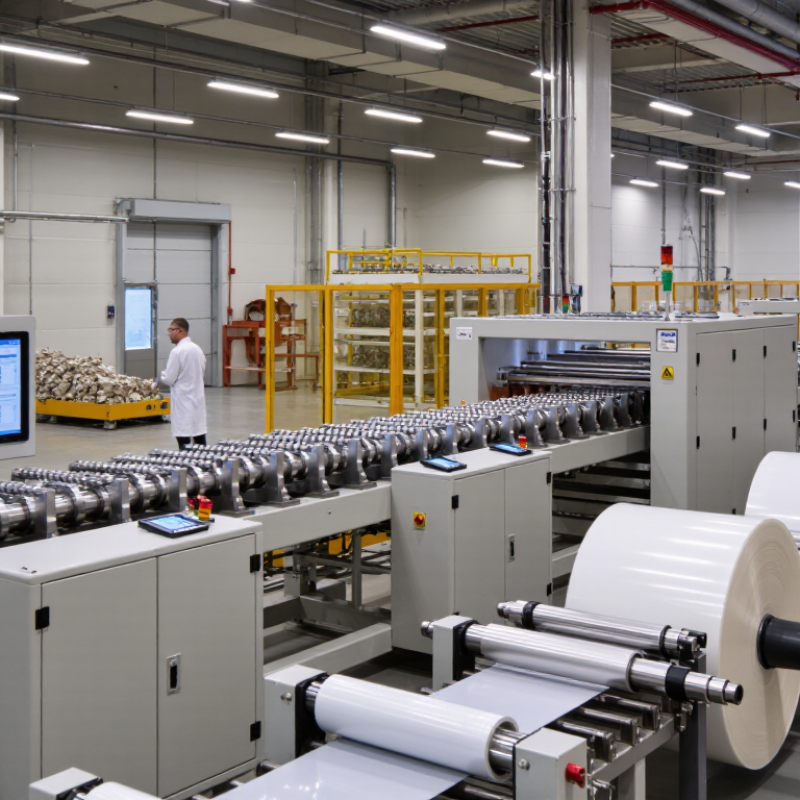
Understanding Extrusion Technology and Its Role in Global Manufacturing
Extrusion technology shapes melted materials into continuous profiles, sheets, films, pipes, and cables. Its value extends beyond production speed. A well-designed extrusion line controls heat, pressure, cooling, and material flow with remarkable consistency. For global manufacturers, this control reduces scrap and supports repeatable quality across different factories. Experienced buyers examine screw design, die accuracy, energy use, automation, and maintenance access before choosing a solution.
Material behavior changes with temperature, moisture, additives, and recycled content. Operators may watch melt pressure rise by a few bar near the die. They may also inspect a cooling bath for uneven surface marks. These small details often reveal larger process problems. Reliable systems include sensors, alarms, and clear operating records. Technical teams should verify output claims through sample trials, not brochures alone. That step feels slower, but it prevents expensive surprises.
The ten best extrusion solutions usually match equipment capability with a specific manufacturing need. A pipe producer may prioritize wall-thickness control, while a film converter needs stable tension. Energy-efficient heating matters when production runs continuously. Quick die changes matter when product sizes vary daily. I have seen technically advanced lines underperform because training was treated as an afterthought. That weakness deserves honest attention. Buyers should question spare-part availability, local service skills, safety procedures, and operator workload. Some specifications remain difficult to compare across suppliers, so documented testing and independent engineering review can improve confidence.
10 Best Extrusion Technology Solutions for Global Buyers - Understanding Extrusion Technology and Its Role in Global Manufacturing
| No. | Extrusion Technology Solution | Primary Materials | Typical Products | Typical Throughput Range | Key Manufacturing Strength | Main Process Control | Global Buyer Suitability |
|---|---|---|---|---|---|---|---|
| 1 | Single-Screw Extrusion | Polyethylene, polypropylene, PVC, polystyrene, and other thermoplastics | Profiles, tubes, sheets, films, coatings, and basic compounds | Approximately 10–1,500 kg/h, depending on screw diameter and material | Simple operation, consistent conveying, comparatively low capital and maintenance requirements | Barrel temperature, melt pressure, screw speed, cooling, and die temperature | Suitable for standard thermoplastic processing, repeat production, and manufacturers seeking a reliable general-purpose platform |
| 2 | Co-Rotating Twin-Screw Compounding | Engineering plastics, recycled polymers, mineral-filled materials, flame-retardant grades, and masterbatch formulations | Compounds, pellets, filled polymers, reinforced materials, and color concentrates | Approximately 20–10,000 kg/h, depending on screw diameter and formulation | Strong distributive and dispersive mixing with flexible screw-element configuration | Torque, specific energy, melt temperature, residence time, feeder accuracy, and vacuum venting | Suitable for customized formulations, recycled-content products, and operations requiring precise additive dispersion |
| 3 | Counter-Rotating Twin-Screw Extrusion | Rigid PVC, plasticized PVC, wood-plastic compounds, and heat-sensitive formulations | Window profiles, siding, pipes, technical profiles, and construction products | Approximately 80–1,200 kg/h for common profile and pipe applications | Controlled solids conveying and comparatively gentle processing for temperature-sensitive materials | Plasticizing balance, melt temperature, screw synchronization, vacuum calibration, and die pressure | Suitable for continuous building-material production and applications requiring stable profile dimensions |
| 4 | Blown Film Extrusion | Polyethylene, biodegradable film grades, and selected polypropylene formulations | Packaging film, agricultural film, stretch film, shrink film, and industrial liners | Approximately 20–1,000 kg/h; film output varies with layer count and width | Efficient production of tubular film with adjustable width, thickness, and mechanical orientation | Bubble stability, air-ring cooling, frost-line height, gauge control, haul-off speed, and tension | Suitable for flexible packaging, agricultural markets, and buyers requiring high material utilization |
| 5 | Cast Film and Sheet Extrusion | Polypropylene, polyethylene, polystyrene, PET, PLA, and specialty thermoplastics | Packaging film, thermoforming sheet, medical film, labels, and multilayer barrier structures | Approximately 100–3,000 kg/h, depending on line width, thickness, and polymer | High flatness, accurate thickness control, and fast cooling through a chill-roll system | Die lip adjustment, melt uniformity, chill-roll temperature, web tension, and thickness scanning | Suitable for high-speed flat-film production, thermoforming, and applications demanding tight gauge tolerances |
| 6 | Pipe Extrusion | HDPE, PVC, PPR, ABS, and other pipe-grade thermoplastics | Water pipes, drainage pipes, gas pipes, conduit, irrigation lines, and multilayer pipes | Approximately 50–2,000 kg/h, depending on pipe diameter and wall thickness | Continuous production with vacuum sizing, controlled cooling, and precise dimensional calibration | Vacuum level, cooling-water temperature, haul-off speed, wall-thickness control, and line pressure | Suitable for infrastructure, utilities, irrigation, construction, and long-run standardized production |
| 7 | Profile and Cable-Coating Extrusion | PVC, TPU, TPE, polyethylene, fluoropolymers, and other insulation or jacket materials | Window seals, automotive profiles, electrical insulation, wire jackets, and protective coatings | Approximately 5–500 kg/h, depending on product geometry and coating thickness | Accurate shaping or coating of continuous products with controlled surface finish | Die centering, melt pressure, conductor preheating, cooling, line speed, and dimensional inspection | Suitable for automotive, electrical, construction, and technical-component manufacturers with diverse product sizes |
| 8 | Reactive Extrusion | Polyesters, polyamides, polyolefins, biodegradable polymers, and functionalized polymer systems | Chain-extended polymers, grafted polymers, compatibilized blends, and chemically modified materials | Approximately 20–2,000 kg/h, depending on reaction chemistry and equipment scale | Combines melting, mixing, and chemical reaction in a continuous process with reduced solvent use | Temperature profile, residence time, vacuum devolatilization, feed ratio, torque, and reaction conversion | Suitable for advanced material development, polymer upgrading, recycling, and applications requiring tailored properties |
| 9 | Recycling and Devolatilization Extrusion | Post-industrial plastics, post-consumer polyolefins, PET, engineering plastics, and contaminated regrind | Recycled pellets, reprocessed compounds, odor-reduced materials, and recycled-content feedstock | Approximately 50–3,000 kg/h, depending on contamination, moisture, and polymer type | Melts, homogenizes, filters, and removes moisture or volatile contaminants from recovered plastics | Vacuum level, melt filtration, screen pressure, moisture control, temperature, and feed consistency | Suitable for circular-manufacturing programs, recycled-content targets, and processors seeking lower virgin-resin consumption |
| 10 | Underwater Pelletizing | Thermoplastics, engineering compounds, hot-melt adhesives, elastomers, and temperature-sensitive formulations | Uniform pellets, specialty compounds, masterbatch, adhesive pellets, and easy-feed granules | Approximately 50–10,000 kg/h, depending on die plate size and polymer properties | Produces consistently sized pellets with continuous cooling and reduced manual handling | Die-plate temperature, cutter speed, water temperature, melt pressure, pellet size, and drying efficiency | Suitable for high-throughput compounding, specialty materials, export-oriented pellet production, and automated packaging lines |
Note: Throughput figures are typical planning ranges for industrial systems. Actual performance depends on screw diameter, polymer grade, moisture content, formulation, die design, product dimensions, cooling capacity, and operating conditions.
FAQS
It shapes melted materials into continuous profiles, sheets, films, pipes, or cables. The process depends on controlled heat, pressure, cooling, and material flow.
Compare throughput, energy use, scrap rate, cleaning time, and operator skill. Speed alone misleads. A slower line may deliver steadier output.
Single-screw systems suit stable profiles and common thermoplastics. Twin-screw systems provide stronger mixing for compounds, fillers, and recycled materials.
Request trials using your actual resin and operating conditions. Measure melt temperature, pressure stability, output, energy use, and product dimensions. Brochures are not enough.
Moisture, fillers, additives, and recycled content can change material behavior. Small variations may create surface marks, unstable pressure, or uneven dimensions.
Watch melt pressure near the die and inspect cooling baths for uneven marks. Record temperatures, settings, alarms, and output changes. Tiny clues matter.
Check maintenance access, spare-part availability, local technical support, and safety procedures. Operators need clear controls and practical training. Training is easy to underestimate.
Run extended trials across several batches, temperatures, and speeds. Compare scrap rates, not only kilograms per hour. Short trials can hide failures. No scorecard is perfect.
Conclusion
This guide explores how Extrusion Technology supports global manufacturing by transforming polymers, metals, and other materials into consistent, high-value products. It compares ten leading solution categories, examining their equipment configurations, process controls, automation capabilities, energy efficiency, and suitability for different production requirements. Readers will gain a practical understanding of how material selection, temperature management, throughput, precision, and quality assurance influence overall process performance.
The article also explains how to select an extrusion solution for industries such as construction, packaging, automotive, electronics, medical products, and consumer goods. Beyond technical specifications, it highlights the importance of evaluating supplier expertise, total cost of ownership, maintenance services, delivery capabilities, regulatory compliance, documentation, and long-term global support. By considering both operational needs and business priorities, buyers can identify an extrusion system that delivers reliable output, scalable performance, reduced waste, and sustainable value across international manufacturing operations.
