
How to Choose a Tube Extrusion Machine in 2026?

Time:2026-11-11 Author:Henry
0%

Choosing a Tube Extrusion Machine in 2026 means matching equipment to the tube you actually plan to make—not simply buying the fastest line. Start with the material, tube diameter, wall thickness, and expected production volume. A machine designed for flexible tubing may not deliver stable results with a rigid polymer. Small differences matter. A changing wall thickness, rough surface, or inconsistent diameter can create problems downstream.

Review the complete line, not just the extruder. Check screw and barrel specifications, die options, cooling capacity, haul-off control, and cutting accuracy. Ask suppliers for output data using a material and tube size similar to yours. A brief production trial can reveal more than a polished brochure. It can show whether the line holds dimensions at operating speed, how quickly it changes sizes, and how much scrap appears during setup. That sounds obvious. It is not always done.

Also consider energy use, operator training, maintenance access, and spare-parts support. A lower purchase price may look attractive, but downtime and difficult changeovers can reshape the real cost. Compare documented performance, warranty terms, and service response times; verify references where possible. No specification sheet can predict every production issue. Your material, process settings, and team all matter. This guide explains the questions to ask before choosing a Tube Extrusion Machine, so you can compare options with evidence and make a decision suited to your products, budget, and plans for growth.
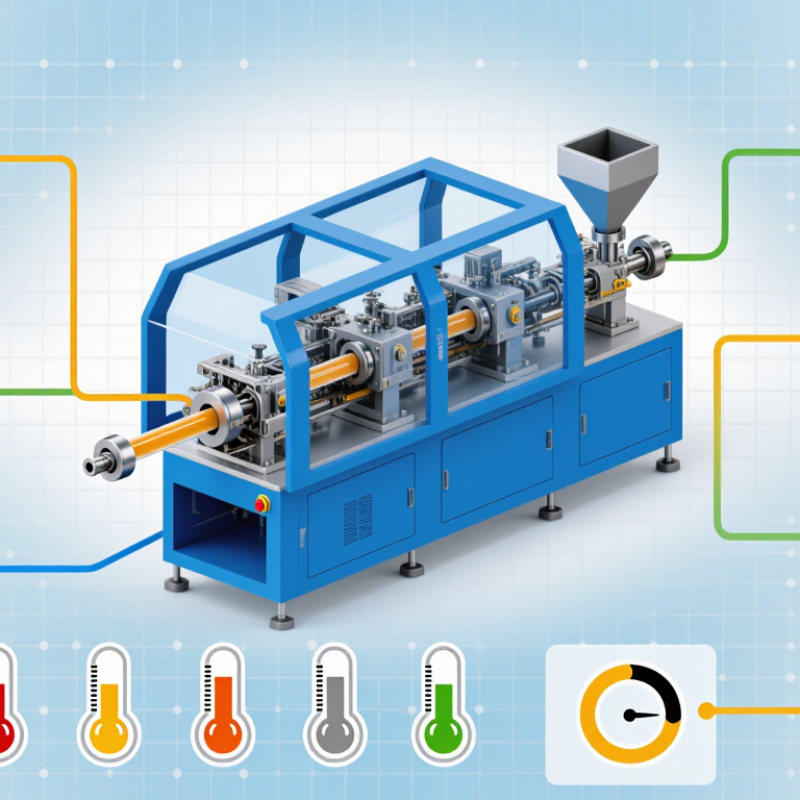
How to Choose a Tube Extrusion Machine in 2026?

Define Tube Requirements, Materials, and Production Goals

Before comparing machines, define the tube you must make. Record its material, outside diameter, wall thickness, length, tolerance, and expected ovality. Measure the real envelope. Include the smallest and largest sizes, not just the standard product. Then estimate saleable output per hour, shift length, changeover frequency, and acceptable scrap. A machine rated for high output may still struggle with thin walls or frequent size changes.

Material choice shapes the line. PVC, PE, and PP require different temperature control, screw design, and cooling conditions. Specify whether resin is virgin, recycled, or blended, and test the actual formulation. PlasticsEurope’s Plastics – the Fast Facts 2024 reports global plastics production of 413.8 million tonnes in 2023; that broad figure signals material scale, not demand for your tube. The OECD’s Global Plastics Outlook reports 353 million tonnes of plastic waste in 2019, with only 9% recycled. That context makes recycled-feedstock consistency worth checking, but it does not predict a supplier’s resin quality.

Ask for trials using your material and tooling. Measure wall variation, surface finish, dimensional stability, and output after the line reaches steady state. Compare results across your full size range. A neat spreadsheet can still miss a difficult startup or a slow changeover. That gap matters. Include energy use, operator access, and maintenance time in the production goal, not as afterthoughts.

How to Choose a Tube Extrusion Machine in 2026?

Typical melt-processing temperature ranges help identify the thermal capability a tube extrusion line may need for different materials.

Ranges are representative and vary by grade and formulation. Confirm processing conditions with the resin supplier, then verify the extruder’s temperature-control capacity alongside tube dimensions and production-rate requirements.

Compare Tube Extrusion Machine Types and Process Configurations

Choosing a tube extrusion machine starts with the tube, not the machine catalogue. Define the polymer, diameter range, wall thickness, and output target. A single-screw extruder often suits steady production with consistent materials. A twin-screw system may help when blending, feeding, or mixing needs closer control. More screws do not automatically mean better results. The right choice depends on the material and process.

Process configuration matters just as much. A single-layer line is simpler to operate and can suit standard tubing. Co-extrusion adds separate layers, such as a colored outer layer or a functional barrier, but requires coordinated melt flow and careful thickness control. Downstream equipment shapes the result: vacuum sizing stabilizes the tube’s dimensions, cooling tanks manage heat removal, and haul-offs and cutters control length and handling. Small diameter changes can affect stability.

Check the whole line. A high-output extruder may still create bottlenecks if cooling or cutting cannot keep pace. Ask for trials using your actual material and target dimensions, then inspect wall consistency, surface finish, and start-up scrap. Fast is not always better. One awkward detail: published output figures may not reflect your recipe or tolerance requirements. A measured production run is more useful than a neat specification sheet.

Evaluate Capacity, Precision, and Key Machine Components

How to Choose a Tube Extrusion Machine in 2026?

Capacity is more than the machine’s rated output. Match its sustained throughput to your tube diameter, wall thickness, material, and planned operating hours. Ask for production data using a comparable resin and profile, not just a maximum figure. Numbers need context. Also check whether the cooling, haul-off, and cutting equipment can keep pace; a fast extruder cannot compensate for a slow downstream line.

Precision starts with a clear product specification. Define acceptable limits for outer diameter, wall thickness, ovality, and cut length, then ask how these are measured during production. The screw and barrel must suit the material and required output. The die head shapes the tube, while sizing tools and cooling conditions help control its dimensions. Small adjustments matter. I would not rely on a control-screen display alone; verify readings against calibrated measuring tools and sample parts.

Look closely at changeover and maintenance access. A well-designed line should make die changes, cleaning, and routine inspections practical for the people who run it. Review the controls, temperature zones, drive system, and safety interlocks, too. Ask operators to explain a typical setup, including where scrap tends to appear. That conversation may reveal gaps in the specification. Perfect uniformity sounds appealing, but real production has variation; choose equipment that can monitor it and hold it within agreed limits.

Assess Automation, Energy Use, and 2026 Technology Options

A tube extrusion machine should be judged by stable output, not its feature list. Check whether automation controls haul-off speed, melt pressure, and wall thickness together. Inline laser gauges can flag drift before a full coil is out of tolerance. Recipe storage and batch records also help operators repeat settings across shifts. But automation cannot rescue poor die design or inconsistent feedstock. Measure actual output.

Energy deserves the same scrutiny. The IEA’s Energy Efficiency 2023 report estimates that industry uses about 37% of global energy, making avoidable process losses worth investigating. For a US manufacturing benchmark, the US Department of Energy’s motor-systems sourcebook reports that motor-driven systems account for about 54% of manufacturing electricity use; it is an older, location-specific figure, not a universal forecast.

Ask suppliers for measured kilowatt-hours per kilogram at your resin, diameter, and line speed. Compare variable-speed drives, insulated barrels, and idle-mode controls under the same test conditions.

I still find it tempting to overvalue a polished automation demo. A brief trial with your own material may reveal more than a dashboard. Check whether data can be exported, and whether operators can correct a bad setup without specialist support.

Compare Total Costs, Supplier Support, and Machine Reliability

How to Choose a Tube Extrusion Machine in 2026?

Compare the full operating cost, not just the quoted price. A lower-cost machine may use more energy or require frequent adjustments to hold tube dimensions steady. Ask suppliers for estimated power consumption, routine maintenance intervals, and the cost of common wear parts. Include installation, operator training, and production downtime in your comparison. A low quote can hide real costs.

Supplier support matters most when a line stops unexpectedly. Ask how quickly technicians respond, whether remote troubleshooting is available, and which spare parts are kept in stock. Request clear service terms and speak with users who run similar materials and output volumes.

Reliability needs evidence, too. Review maintenance records, test sample tubes for consistent wall thickness, and observe a machine during a production trial. Listen for unusual vibration and check how easily operators reach service points.

A showroom test cannot predict every factory condition. Your material, cooling setup, and shift pattern may change the result. Keep a small allowance for unknowns; even a careful comparison is imperfect.

FAQS

How should I choose between single-screw and twin-screw machines?

Start with the polymer, diameter range, wall thickness, and output target. Single-screw systems often suit steady runs with consistent materials. Twin-screw systems can help with blending or feeding. More screws do not guarantee better tubing.

When is co-extrusion useful?

It creates separate tube layers, such as a colored outer layer or functional barrier. Each melt stream needs careful coordination. Uneven flow can leave one layer too thick. Tricky to tune.

What downstream equipment affects tube quality?

Vacuum sizing helps stabilize dimensions, while cooling tanks remove heat. Haul-offs and cutters control movement and length. A small diameter change can unsettle the line.

How can I compare complete production lines?

Check whether cooling and cutting can match the extruder’s output. Request a trial with your material and target dimensions. Inspect wall consistency, surface finish, and start-up scrap. A fast extruder can still create a slow line.

What should automation control?

Look for linked control of haul-off speed, melt pressure, and wall thickness. Inline laser gauges can detect drift before a full coil is produced. Recipe storage helps repeat settings across shifts. Automation cannot fix poor die design.

How can I evaluate energy use?

Ask for measured kilowatt-hours per kilogram using your resin, diameter, and line speed. Compare variable-speed drives, barrel insulation, and idle-mode controls under matching conditions. Published benchmarks may not fit your plant or location.

Why should I run a material-specific trial?

Published output figures may not reflect your recipe or tolerance needs. A measured run shows real output and scrap. A neat specification sheet can be misleading. I might still be swayed by one.

What should I check in automation data and operator support?

Confirm that production data can be exported and batch records are accessible. Operators should be able to correct a poor setup without specialist help. A polished demo is not enough. I learned that late.

Conclusion

Choosing a Tube Extrusion Machine in 2026 starts with a clear understanding of the tube requirements, including material, dimensions, tolerances, surface finish, and expected production volume. These factors help determine the right machine type and process configuration. Compare available options based on their suitability for the intended materials and product range, then assess output capacity, dimensional precision, and the performance of key components such as the extruder, die, cooling system, and haul-off unit.

Also consider how automation and process monitoring can support consistent production, reduce material waste, and improve energy efficiency. Newer technology options may offer useful control and data features, but their value depends on your specific operation. Look beyond the purchase price by comparing installation, operating, maintenance, and training costs. Finally, evaluate supplier support, spare-part availability, and machine reliability to make a practical long-term choice that meets both current production goals and anticipated future needs.

Henry

Henry

Henry is a dedicated marketing professional with a profound expertise in the company's offerings. With years of experience in the industry, he possesses an impressive understanding of the market dynamics and consumer behaviors that drive success. Henry is committed to sharing his insights through......