
How to Find China Top Extrusion Solution Suppliers?
Finding China’s top Extrusion Solution suppliers requires more than comparing catalog prices. A reliable partner must understand your material, profile design, output target, and production environment. The right supplier can explain screw geometry, die balance, temperature zones, cooling capacity, and control accuracy without hiding behind vague promises.
Chris Rauwendaal, a respected extrusion consultant and author, has stated, “Extrusion is a process, not simply a machine.” This principle matters when evaluating Chinese manufacturers. A polished machine may still fail if the die is poorly designed, the cooling tank is undersized, or the control system cannot maintain stable pressure. Look for suppliers with documented projects, measurable test results, and engineers who discuss production risks openly.
Ask for line layouts, energy data, tolerance records, and sample products made from materials similar to yours. Request a factory video or visit the assembly floor if possible. Check whether technicians inspect barrel alignment, heater wiring, gearbox noise, and vacuum calibration before shipment. Speak with existing customers, not only the references selected by sales staff. Small details reveal experience.
Price still matters. It should not lead the decision.
A lower quotation can conceal expensive downtime, replacement dies, weak technical support, or delayed spare parts. Compare the complete ownership cost, including commissioning, operator training, warranties, and response times. No supplier is perfect, and every evaluation has uncertain points. Even a careful review can miss communication problems after installation. Therefore, this guide focuses on evidence, practical questions, and realistic verification methods for selecting a dependable China Extrusion Solution supplier.
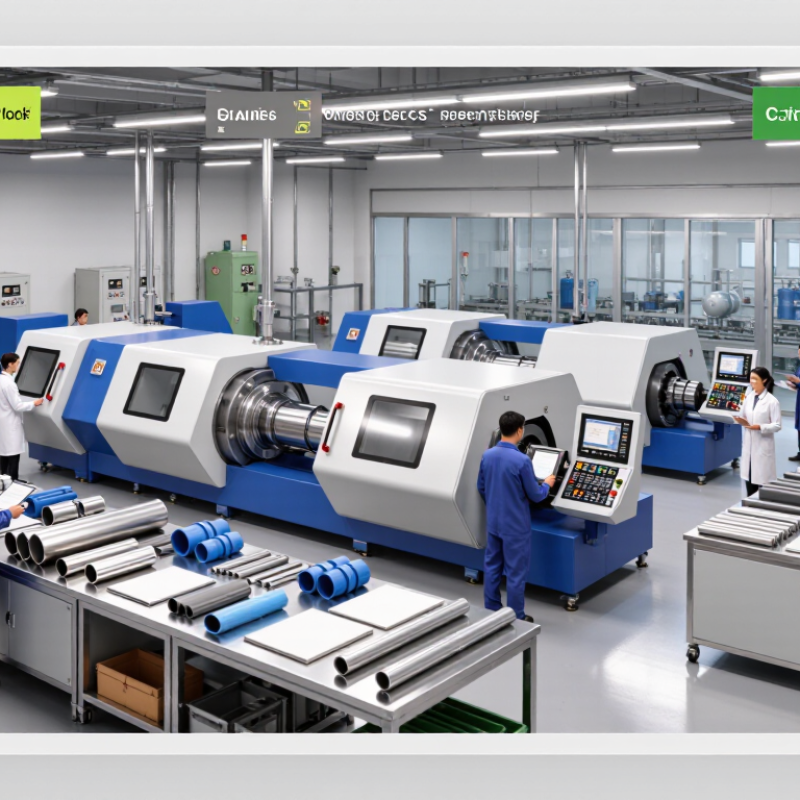
Define Your Extrusion Project Requirements
How to Find China Top Extrusion Solution Suppliers?
Define Your Extrusion Project Requirements
A reliable supplier search begins with a precise project brief. Describe the polymer, profile shape, dimensions, and expected surface finish. State the target output per hour and acceptable dimensional tolerance. Include drawings with marked critical areas. Small details can change die design, cooling length, and machine capacity.
Define the operating environment as well. Record production hours, available floor space, power limits, and preferred automation level. Specify downstream equipment, such as haul-off units, cutters, or winding systems. If recycled material will be used, mention its variation and moisture risk. This affects feeding stability and process control.
Ask suppliers to respond to measurable requirements, not general promises. Request a proposed line layout, estimated output, energy data, and testing procedure. Confirm how they inspect dies, heaters, screws, and control cabinets. Ask for sample profiles from similar materials and tolerances. Evidence matters.
A factory trial is useful. Send approved samples and review the trial report carefully. Check dimensions at several points, not only one section. I have seen attractive specifications fail because cooling conditions were overlooked. That mistake is easy to repeat. Leave room for practical adjustments. Your first requirement list may be incomplete, and honest revision is better than forcing a weak design. Reliable communication, documented changes, and clear acceptance criteria make supplier comparison more objective.
FAQS
Describe the polymer, profile shape, dimensions, surface finish, output target, and tolerance. Include drawings with critical areas clearly marked.
Floor space, power limits, working hours, and automation needs affect the proposed line. Downstream equipment must also fit properly.
Request output, energy use, temperature tolerance, delivery terms, installation, tooling trials, and spare-parts costs. Missing items can distort comparisons.
Compare at least three quotations line by line. Use measurable data instead of attractive wording or polished photographs.
Ask for similar sample profiles, trial reports, inspection procedures, and references. Test results are stronger than general promises.
A trial reveals cooling problems, dimensional variation, and feeding instability. Measure several profile points, not only one section.
Check commissioning plans, remote response times, technician availability, training hours, and practical spare-parts lists. Support becomes important during failures.
Include electricity, maintenance, rejected output, software updates, spare parts, and downtime over five years. The lowest price may not stay lowest.
Ask how uptime is measured and what conditions apply. Otherwise, the percentage sounds impressive but proves little.
Yes, when testing exposes weak assumptions. Honest revision is better than forcing an unsuitable design. I may miss details, too.
Conclusion
Finding China’s top extrusion solution suppliers starts with clearly defining your project requirements, including the material, product dimensions, output targets, tolerance standards, and expected delivery schedule. Once these needs are established, compare the main supplier categories, such as equipment manufacturers, turnkey engineering companies, and specialized processing partners. This helps you identify providers whose capabilities match the technical and commercial scope of your project.
Next, evaluate each supplier’s industry experience, machinery, engineering team, and ability to provide customized designs. Verify their quality management systems, relevant certifications, testing procedures, production capacity, and consistency in delivery. When comparing quotations, look beyond the initial equipment price and consider installation, commissioning, training, spare parts, technical support, maintenance, and future upgrades. A reliable partner should offer transparent communication, practical solutions, stable quality, and strong long-term value. By assessing both technical performance and overall service, you can select an Extrusion Solution supplier that supports efficient production and sustainable business growth.
