
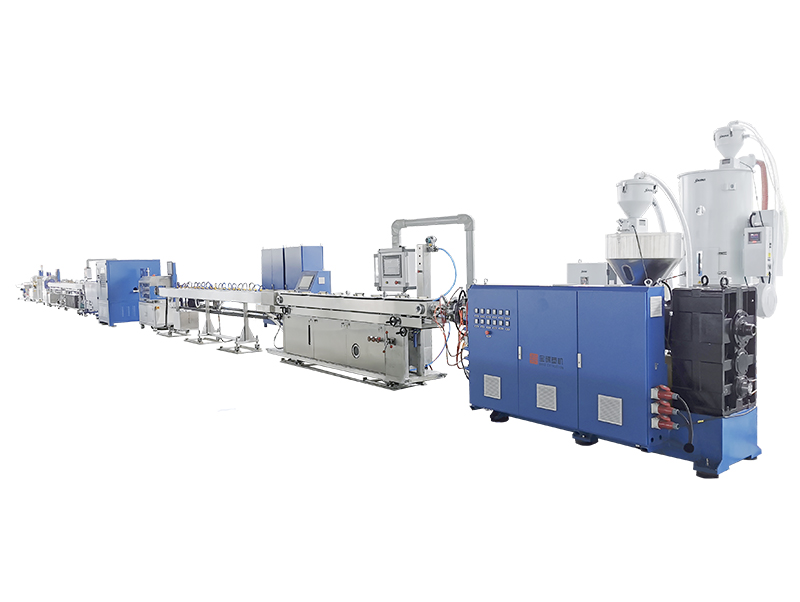
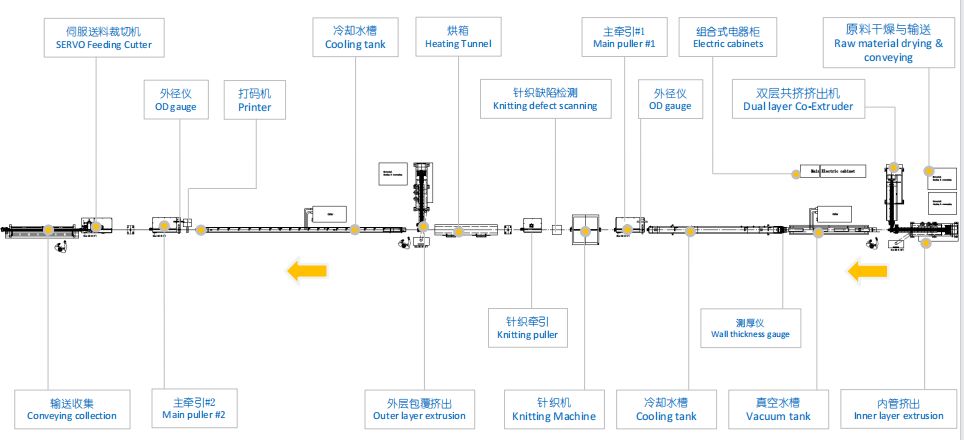
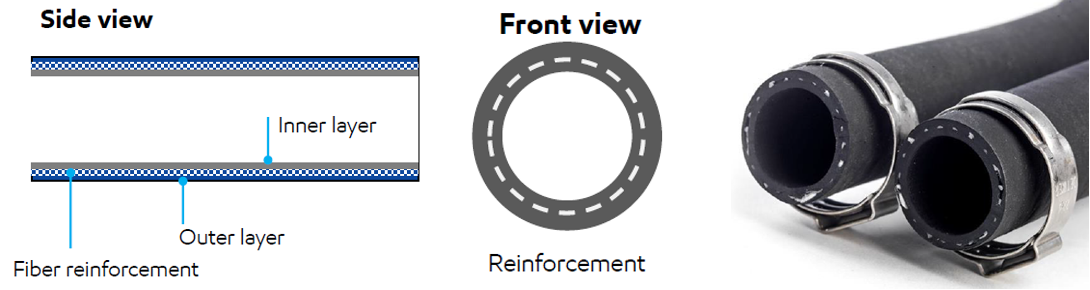
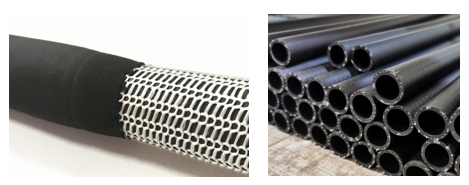
China TPV Knitting Compostie Hose Extrusion Line Factory, Factories
Product Description
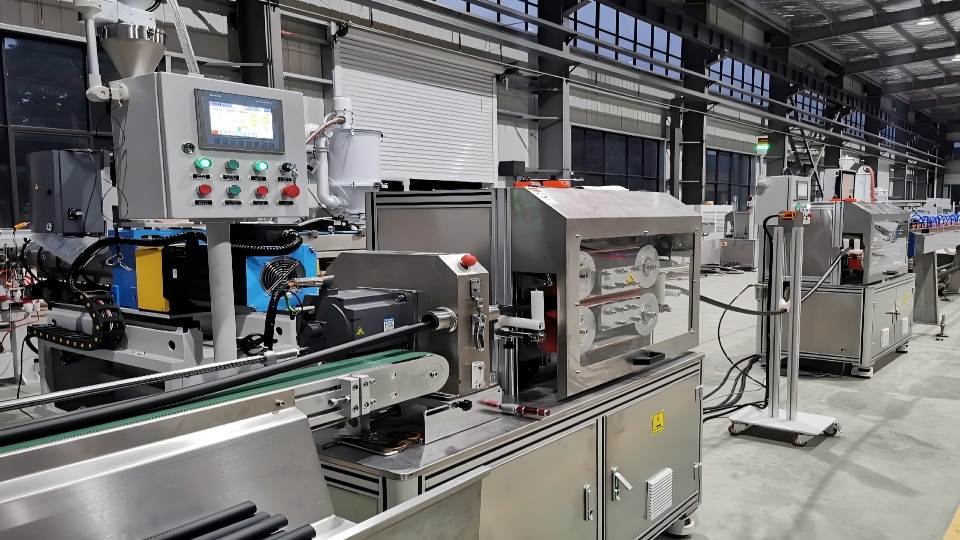
We accommodate a broad selection of raw materials including structural alloy steels, stainless steel (304, 316), aluminum grades, brass, copper, and engineering plastics, ensuring high structural stability and application-specific performance.
Depending on part geometry, material hardness, and specific process requirements, standard tolerances range from ±0.01 mm to ±0.005 mm, with specialized finishing processes capable of tighter precision specifications.
Yes, our facilities support rapid single-unit prototyping, small-batch pilot validation, and sustained high-volume series manufacturing, providing flexible production scheduling and consistent quality control throughout.
A comprehensive suite of surface finishing operations is available, including anodizing, chemical passivation, electroplating, black oxide coating, precision grinding, bead blasting, and custom heat treatments tailored to operating conditions.
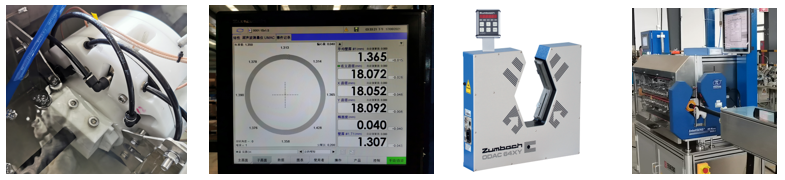
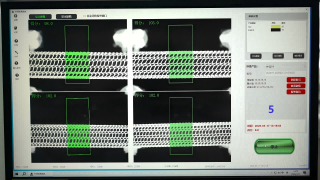
Quality management covers every phase from raw material verification to final delivery. In-line coordinate measuring machines (CMM), optical comparators, surface roughness testers, and full dimensional inspection documentation verify part adherence.
We accept standard 3D CAD models such as STEP, STP, and IGES, alongside 2D technical drawings in PDF, DWG, or DXF formats indicating critical dimensions, GD&T specifications, and surface finish tolerances.









